Mongolia tours with free WiFi during your trip – leave it to a local specialist travel company.

Contact us for advice and quotes on local Mongolia toursEmail:info@nomadmongolia.com

What Are Mongolian Tourist Camps and Deluxe Gers?
Frequently Asked Questions About Traveling in Mongolia
The grand steppe, skies full of stars, the life of the nomads, traditional culture and more: Mongolia has many charms that can be tasted only here. So that even first-time visitors can enjoy their trip with peace of mind, we answer common questions before travel.
 Food and Health
 Sightseeing and Experiences
 Accommodation and Daily Life
 Money, Communications and Preparation
 Useful Information After Arrival
 Seasons and Clothing
 What to Bring
 Gers and Etiquette
 Climate and Clothing
 Currency and Daily Life
 Pre-departure Checks
01 Climate and Clothing
Q1 When Is the Best Season to Travel in Mongolia?
A If you want to enjoy the green steppe and horse riding, generally June to September is recommended. Summer in particular is the ideal season to touch the grand nature and the life of the nomads.
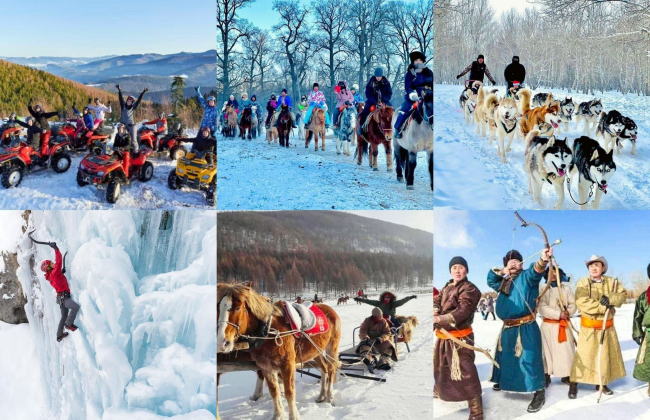
On the other hand, winter has charms unique to the season, such as snowfields, skies full of stars and dog sledding. Please choose the season to match the purpose of your trip.
▶ For details:Guide to Packing, Climate and Clothing
Q2 Do I Need Warm Clothing Even in Summer?
A Yes. Mongolia has a large temperature difference between day and night, and even in summer mornings and evenings can be chilly. In addition to light clothing, please bring a jacket such as a fleece that lets you regulate your body temperature.
▶ For details:Guide to Packing, Climate and Clothing
Q3 What Clothing and Items Do I Need for the Trip?
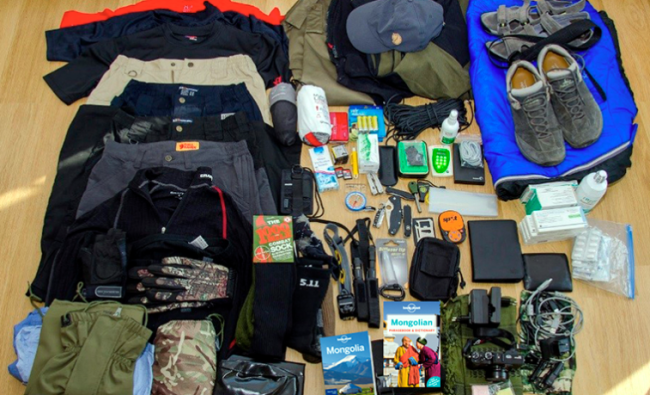
A In addition to clothing suited to the season, a hat, sunglasses, sunscreen and comfortable walking shoes are useful. We also recommend lip balm and moisturizing products against dryness and strong sunlight. On the summer steppe, insect repellent is also helpful.
In winter, please prepare a highly insulating coat, gloves, a hat and non-slip shoes.
▶ For details:Guide to Packing, Climate and Clothing
02 Accommodation and Nomad Life
Q4 Can I Stay in a "Ger", the Traditional Mongolian Dwelling?
A Yes. At tourist camps for travelers and similar places, you can stay in a "ger", the traditional Mongolian dwelling. You can enjoy a stay unique to Mongolia, surrounded by steppe and gazing at a sky full of stars at night.
Facilities such as beds, heating, showers and toilets differ by property. Please check the facilities when booking.
Q5 Can I Use a Shower and Toilet in a Ger?
A At camps for tourists, there are facilities with shared or private showers and toilets. However, facilities differ by region and accommodation, and the hot water supply may be unstable.
When staying with a nomad family, you may use simple toilets and the like.
One Point
To be comfortable, it is reassuring to bring wet tissues and pocket tissues.
Q6 Is There Anything to Be Careful About When Visiting a Ger or a Nomad Family?
A The ger is an important dwelling that supports the nomads' way of life. When visiting, follow the guidance of the family and guide, and respect local customs.
Inside the home, we recommend not touching the stove or the central pillar needlessly, and getting the other person's permission when taking photos. Do not forget to thank them for the warm hospitality, and value the local culture and customs.
▶ For details:Manners for Visiting a Ger
03 Food and Health
Q7 What Kind of Food Can I Enjoy in Mongolia?
A In Mongolia you can enjoy a traditional food culture centered on meat dishes.
Typical dishes include "buuz", like steamed dumplings, "khuushuur", similar to fried dumplings, and "tsuivan", stir-fried and steamed with meat and vegetables together with noodles. Traditional foods and drinks made with dairy products are also a feature.
Please be sure to experience Mongolian flavors during your trip.
▶ For details:Mongolian Food Guide
Q8 What If I Don't Like Mutton or Have a Food Allergy?
A In Ulaanbaatar, besides dishes using beef and chicken, you can also enjoy cuisines of various countries. If you don't like mutton or have dietary restrictions, please consult the travel company or accommodation in advance.
However, at restaurants in the countryside and at nomad homes, the ingredients and cooking methods available may be limited.
For Those with Food Allergies
If you have a severe food allergy, please consult us in detail in advance and prepare the necessary food and medicines.
Q9 Is There Anything to Be Careful About Regarding Drinking Water and Regular Medicines?
A Do not drink tap water as it is; use commercially sold mineral water or the like. In dry regions, frequent hydration is also important.
It is also reassuring to bring from home the medicines you usually take and, if necessary, stomach medicine and the like. If you have a chronic illness, consult your doctor before the trip and prepare enough of the necessary medicines.
04 Sightseeing and Activities
Q10 Can Beginners Join a Horse Riding Experience?
A Yes. Some tours offer horse riding experiences for beginners. Before riding you receive an explanation of the basic controls and precautions, and you ride following the instructions of the local guide.
For safety, wear protective gear such as a helmet and take part within a range that is not a strain. The content of the experience and the conditions for renting equipment differ by tour, so we recommend checking in advance.
Q11 What Kind of Sightseeing and Experiences Are Possible in Mongolia?
A In Mongolia you can enjoy both great nature and traditional culture. Recommended experiences are as follows.
- Terelj National Park: Enjoy the magnificent steppe, strange-rock scenery and a horse riding experience.
- Chinggis Khaan Equestrian Statue: Feel Mongolia's history and grand scale.
- Gobi Desert: Enjoy vast sand dunes and distinctive desert scenery.
- Experiencing Nomad Life: Visit a ger and touch traditional life and culture.
- Stargazing: In a place with few city lights, gaze at the vast night sky.
- Winter Activities: Depending on the season and what is being held, experience dog sledding, horse riding on snowfields and more.
05 Money, Communications and Preparation
Q12 Can I Use Credit Cards in Mongolia?
A At hotels and large stores in Ulaanbaatar, there are many places where credit cards can be used. On the other hand, at small shops in the countryside and tourist spots on the steppe, cash may be needed.
Mongolia's currency is the "tugrik (MNT)". Before heading to the countryside, prepare the cash you need, and it is reassuring to use cash and cards as appropriate.
▶ For details:Currency and Exchange Guide
Q13 Can I Use a Smartphone and the Internet?
A In Ulaanbaatar you can use hotel Wi-Fi, SIM cards, eSIM and more. However, there are places on the steppe and in remote areas where the signal is hard to receive.
For traveling and outdoor sightseeing, it is handy to bring a power bank. In winter in particular, smartphone batteries drain easily in the cold, so pay attention to keeping them warm too.
▶ For details:Guide to Apps, Smartphones and the Internet
Q14 Can I Use My Home Electrical Appliances As They Are?
A Mongolia's voltage is generally 220V. If you use electrical appliances from home, check whether the product supports 220V.
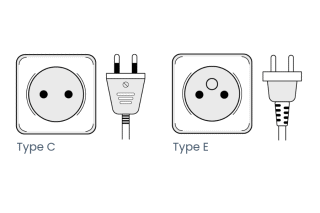
The shape of the outlets may also differ from home, so it is reassuring to prepare a plug adapter that supports type C and the like. Please also prepare a transformer if necessary.
Q15 Do I Need a Visa to Travel to Mongolia?
A Whether a visa is needed and the number of days you may stay differ by nationality, purpose of travel and time of travel. Even for short tourist stays, please check the latest information from the Mongolian government, the Mongolian embassy in your country and similar sources before departure.
We also recommend checking in advance your passport's expiry date, entry conditions and return flight booking information.
▶ For details:Visa and entry information
06 Useful Information After Arrival
Q16 What Should I Do First When I Arrive at a Mongolian Airport?
A After arriving, proceed through immigration, baggage claim and customs inspection in that order, and come out to the arrival hall. In the airport there are exchange offices, ATMs, mobile carrier counters, tourist information desks and more.
If you are visiting Mongolia for the first time, it is reassuring to prepare the local currency and communications you need after arrival.
One Point
It is convenient to save your hotel address and booking confirmation on your smartphone or bring a printed copy.
Q17 Where Can I Exchange Money into Mongolian Currency?
A Mongolia's currency is the "tugrik (MNT)". On the 1st floor of Chinggis Khaan International Airport, where the arrival hall is, there is an exchange office open 24 hours.
Bank counters can also be used, but regular business hours are daytime on weekdays. Depending on your arrival time, it may be outside business hours, so please note.
- Exchange at the airport the amount you need to get into the city.
- In the city, use banks and authorized exchange offices.
- Before leaving for the countryside or the steppe, prepare the cash you need.
- When exchanging, check the rate and the fee.
▶ For details:Currency and Exchange Guide
Q18 Where Can I Buy a SIM Card?
A On the 1st floor of Chinggis Khaan International Airport there are mobile carrier counters. You can buy a SIM card after arrival, so you can prepare an internet connection before moving into the city.
The main carriers include MobiCom and Unitel. Opening hours, prices and promotions may change, so please check when you buy.
- Prepare documents needed for identity verification, such as your passport.
- Choose a data plan that suits the length of your stay.
- Check whether your smartphone from home supports a local SIM card or eSIM.
- Be aware that on the steppe and in remote areas there are places the signal does not reach.
One Point
You can also buy and set up an eSIM at home. It is convenient for those who want to use the internet immediately after arrival.
▶ For details:Guide to Apps, Smartphones and the Internet
Q19 How Do I Get from the Airport to the City?
A The main means of transport are official taxis, ride-hailing apps and public buses. Choose according to the amount of luggage, arrival time and destination.
1. Official taxi
Available at the designated taxi counter on the 1st floor of the airport terminal. According to airport guidance, the fare to central city is 120,000 tugrik for a regular taxi and 170,000 tugrik for a VIP taxi. Fares may change, so please check the latest information before boarding.
2. Ride-hailing app
In Ulaanbaatar you can use ride-hailing apps such as UBCab. You can check the destination and fare before boarding, and cash payment is supported. An internet connection is needed to use it.
3. Public bus
Public buses also run between the airport and Ulaanbaatar. Tickets can be bought at the automatic ticket machine on the west side of the 1st floor of the terminal, or at the bus and taxi counter. Please check routes and times in advance.
For Your Safety
Do not follow unofficial touts who approach you in the airport; always use authorized services such as the designated counters.
Q20 How Do I Use Taxis in Ulaanbaatar?
A In the city, using a ride-hailing app lets you travel while checking the destination and fare. Before boarding, confirm the destination and fare, and check that the vehicle number shown in the app matches the actual vehicle.
- If possible, use an official ride-hailing app.
- Confirm the destination and fare before boarding.
- Prepare small banknotes in case of cash payment.
- You can also ask hotel or tourist-facility staff to arrange a taxi.
- For trips onto the steppe or to the outskirts, arrange the vehicle and fare in advance.
▶ For details:Safety and Dealing with Trouble
Check Before You Travel! Preparation Before Departure
| Currency | Local currency is the tugrik (MNT) |
|---|---|
| Communications | Check SIM card / eSIM in advance |
| Airport to city | Official taxi, ride-hailing app, public bus |
| Payment | Use cards and cash together |
| Booking information | Save hotel address and booking confirmation |
| Charging | Bring a power bank |
| Maps | Download offline maps in advance |
Below is more detailed information.
07 Seasons, Climate and Clothing
Q21 What Is the Climate Like?
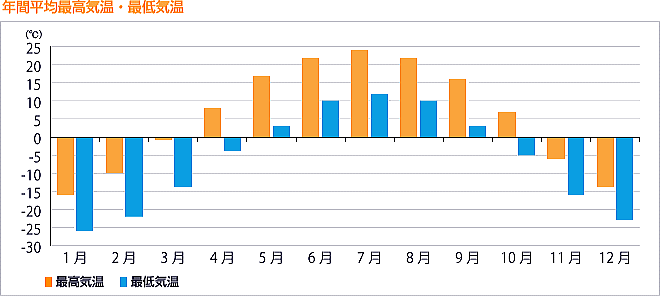
A continental climate. In summer the daytime maximum can exceed 35 degrees, but nights and early mornings can fall below 10 degrees, a climate with a very large temperature difference. Even in summer, long-sleeved sweaters and fleece are must-haves.
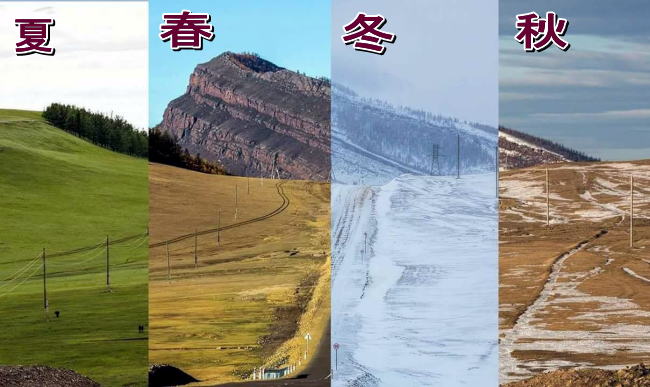
Also, it is very dry, so wear a hat in the daytime and don't forget to drink water. From the second half of September it shifts to winter weather, and from October to early March it snows. In midwinter it drops to minus 30 degrees.
To enjoy outdoor activities such as horse riding, May to early October is recommended, but riding across the white steppe in winter and dog sledding are also attractive.
▶ For details:Guide to Packing, Climate and Clothing
Mongolia has a continental climate, an area with a very large temperature difference between seasons. What to wear when traveling should be prepared according to the climate of each month.
| January–February (winter) −20°C to −40°C (sometimes colder) |
|
|---|---|
| March–April (spring) −10°C to 10°C (large difference between day and night) |
|
| May–June (early summer) 10°C to 25°C (warm in the daytime, cool in mornings and evenings) |
|
| July–August (summer) 15°C to 30°C (very hot in the daytime, cool at night) |
|
| September–October (autumn) 5°C to 20°C (warm in the daytime, cold in mornings and evenings) |
|
| November–December (early winter) −10°C to −20°C (the cold gets severe) |
|
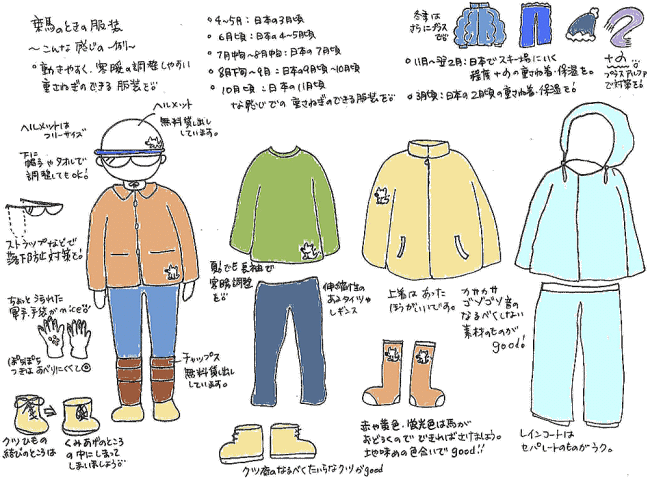
08 Things to Prepare (Packing List)
Q22 What Is the Outlet Shape? What Is the Voltage? Do I Need a Transformer?
Mongolian outlets are a mix of type B, B3 and type C, so we recommend bringing a multi-plug. The voltage is 220V. Some devices also need a transformer to adjust the voltage.
In the case of a homestay at a nomad home, many homes charge from solar panel batteries, so please bring a power bank.

Q23 Is There WiFi?
We provide free WiFi from the start to the end of your trip.
At the New Ulaanbaatar International Airport you can buy a SIM card usable for 7 days for about $25.
▶ For details:Guide to Apps, Smartphones and the Internet
Q24 Where Can I Exchange Money?
At the New Ulaanbaatar International Airport there are exchange offices open 24 hours on the 1st and 2nd floors. You can exchange at any time. When you return home, you can also exchange leftover Mongolian currency back into foreign currency.
▶ For details:Currency and Exchange Guide
Q25 Please Bring
Toilet paper is placed in each ger, but ordinary restaurants may not have it, so please bring your own. In case your stomach is upset from eating unusual flavors, we recommend anti-diarrheal medicine.
We provide a kettle for boiling water in each ger, so please bring your favorite tea, instant coffee and the like. Mosquito coils and insect repellent spray are also handy.
▶ For details:Guide to Packing, Climate and Clothing
Q26 Packing List (General)
- Light, comfortable walking boots
- Rubber slippers to wear to the toilet at the ger camp
- Waterproof, windproof raincoat or cape
- Warm coat or jacket, scarf, hat, gloves
- Casual pants, shirts, pullovers, skirts and the like suitable for wearing in town
- Short-sleeved shirts or T-shirts: 2–3; long-sleeved shirts, sweaters: 1–2
- A large pullover or jacket
- Light (quick-dry) pants or skirts: 2 sets
- Socks, underwear, sleepwear
- Scarves to cover your head: 1–2
- Non-aerosol insect repellent spray and anti-itch ointment (there are many mosquitoes at tourist camps in the countryside)
- Wet tissues and pocket tissues (sometimes there is no paper in toilets)
- Flashlight and lighter (power outages are frequent at night; also needed when going from the ger to the toilet)
- Medicines (those you are used to taking. Cold medicine, stomach medicine and anti-diarrheal are handy)
- Sunglasses
- Gloves (to prevent skinned hands when riding)
- Sunscreen (the altitude is high, so the ultraviolet rays are quite strong)
- Lip balm and skin cream (because it is very dry)
- Instant foods (such as miso soup; because meat dishes are central, your stomach may feel heavy)
- Disposable heat packs
▶ For details:Guide to Packing, Climate and Clothing
Q27 Packing List for Winter Tours
When staying at a nomad home or ger camp, a flashlight or headlamp is useful for going to the toilet at night.
- Full-length warm jacket: protects your body even at −35°C. Layering warm clothes (fleece jacket / sweatshirt) is also a good way. For extra warmth, we can prepare the traditional costume, the "deel", on request.
- Pajamas, tights and the like for staying warm at night.
- Warm boots lined with sheepskin and highly insulating wool socks.
- Wool hat, gloves, scarf and underwear for layering.
- Sunscreen: protects your skin from sunlight reflected off the snow.
- Shampoo, soap, lotion, deodorant, toothpaste: widely available in Ulaanbaatar, but not obtainable at ger camps, provincial hotels or nomad homes.
- Towels, dry/wet tissues, hand sanitizer: hotels and ger camps provide large and small towels, but if you stay at a nomad home we recommend your own towel.
- Travel insurance, medical insurance, passport and other documents.
- A camera with a spare battery or mobile charger.
- Power bank: check the capacity limit with your airline and put it in your carry-on baggage.
- Cables and adapters for charging mobile phones, cameras and tablets.
- Medicine for symptoms that often occur while traveling: motion sickness medicine, allergy medicine, stomach medicine, cream for cuts and insect bites and so on. Keep medicines in their original packaging, in containers with clearly attached labels, in your handbag.
▶ For details:Guide to Packing, Climate and Clothing
Q28 What Souvenirs Should I Bring for a Nomad Family?
Snacks and miso soup from home are recommended. For a homestay, bringing toys to play with the children is also fun.
Giving small presents to the nomad children is not required; it is up to you. Candy is ideal for children and adults. Others include small toys, hair ribbons, children's books, teaching materials, paper and pencils. For adults: sewing kits, face and hand cream, cigarettes, cigar-related items, snuff and the like.
09 Ger and Tourist Camp Etiquette and Nomad Manners
Q29 What Is the Ger / Tourist Camp You Stay in in Mongolia?
In Mongolia there are accommodations that use the "ger" as lodging for tourists. Inside the ger there are 3 to 4 beds, and in the center a wood stove, a table and chairs. Even in summer, if mornings and evenings are chilly, the stove is used.
Together, these tourist gers and the adjoining separate buildings with a restaurant, toilets, shower rooms and so on are called a "tourist camp".

Deluxe gers are at tourist spots such as Terelj National Park, Burd and the South Gobi, and have luxurious facilities with a shower, toilet and cottage. A stay in a deluxe ger incurs an additional charge, so please ask us.

According to your travel style and budget, you can choose from a variety of Mongolian tourist camps, from elegant luxury tourist camps to budget economy and standard tourist camps.
Q30 When Entering a Ger
There is always a watchdog near a ger. It may bark, but it also acts as a doorbell telling the host a guest has come, so do not approach until the host comes out and stops it.
- Take off your hat before entering a ger.
- Enter a ger with your right foot first.
- Do not step on or sit on the threshold of the entrance.
▶ For details:Manners for Visiting a Ger
Q31 Inside the Ger
- The seat of honor is at the back, facing the entrance, the left side is the men's seat, and the right side is the seat for women and children. Guests sit in the seat of honor or the men's seat even if they are women, but women must not sit further back than the two central pillars (bagana).
- Always receive things with both hands.
- It is better to eat everything that is offered, but if you can't, the courtesy is to at least touch it to your lips.
▶ For details:Manners for Visiting a Ger
Q32 Prohibitions Inside the Ger
- Do not walk between the two central pillars (bagana). The two pillars represent man and woman, and passing between them means splitting the couple of that household.
- Do not put trash in the stove.
▶ For details:Manners for Visiting a Ger
Q33 Advice for Camping on the Steppe
In Mongolia, camping on the steppe is not prohibited, and even foreigners can pitch a tent. Camping on the steppe is probably the best way to experience Mongolia's great nature and skies full of stars.
Q34 Can I Travel in Mongolia in Winter?
Please see the winter tours listed on our website. Mongolia's winter, with its spreading snowfields, is recommended for dog sledding, visiting the Chinggis Khaan equestrian statue and stargazing. From the end of November to mid-March the grand steppe is covered in pure white snow, and you can enjoy superb views.
Q35 What Are the Facilities of a Nomad's Ger Like?
Nomad gers generally have the following facilities.
- [Guest ger] There is a guest ger for you (if you join alone, you may share with the nomad family).
- [Toilet] A pit toilet built on the steppe. It is enclosed by walls around it, but you can see the blue sky and it feels very good.
- [Electricity] At night the ger lights are turned on. Charging is not possible.
- [Heating] A wood stove is installed in the center of each ger. On cold days the staff light the fire. On especially cold days the stove is fired with Mongolian-style coal. If you feel the room is too hot, open the ger door to adjust the temperature.
- [Meals] Meals are taken at the ger where the nomads live. It is polite to eat everything served, but if you cannot, adjust beforehand, for example by asking for smaller portions.
Please Watch Out for the Stove
The stove gets very hot, so those with small children should be careful not to take their eyes off them. Please do not let them run around near the stove.
Q36 Nomad Homestay Experience
- The toilet is an eco facility with a proper toilet seat. (Sometimes it is a toilet with a hole dug in the grass and walls around it. You can see the blue sky and stars, which feels good.) Toilet paper is provided.
- Hot water and tea can be used freely. You can also eat food you have brought with you.
- For washing and brushing teeth, please use the handmade wash basin placed in the guest ger.
- When going out in the dark, please use the flashlight you brought.
- When it is cold, the local people light the wood stove, so it is warm and comfortable.

Q37 What Is the Guest Ger Like?
- It is a portable round dwelling, resistant to earthquakes and strong winds, with a history of hundreds of years. Imagine that Chinggis Khaan too was once born and raised in a ger.
- Lodging is arranged with you in a separate ger, and our staff staying at the nomad's house.
- Beds, cushions, duvets, clean sheets and pillows are provided, as well as warm blankets for when it is cold.
Q38 What If I Want to Use the Toilet During the Trip?
- While traveling to the main sightseeing spots, you can use flush toilets at restaurants and supermarkets along the way.
- If there is really no flush toilet, you will use a wooden toilet over a dug hole, or relieve yourself in the grass. Honestly, the grass is cleaner and safer. Put used toilet paper and the like in a bag you carry and throw it in the next trash bin.
10 Information on Currency, Communications and Daily Life
Please Note
The prices, rates and services in this section are guides (including information as of October 2026). Please ask us for the latest information before your trip.
Q39 About the Currency
Mongolia's currency is the tugrik (Tg). As of October 2026 the rate is 1 USD = 3,610 Tg.
11 denominations of banknotes are in circulation: 1 Tg, 5 Tg, 10 Tg, 20 Tg, 50 Tg, 100 Tg, 500 Tg, 1,000 Tg, 5,000 Tg, 10,000 Tg and 20,000 Tg (coins are not in circulation).


▶ For details:Currency and Exchange Guide
Q40 About Exchange
Currency exchange is possible at the airport, hotels, banks and exchange offices in the city. At hotels you can exchange at any time, but banks and exchange offices give a far better rate. Exchange offices are concentrated around the Flower Center and around the TEDY Center.
Many currencies can be exchanged, including the Japanese yen, US dollar, euro, Korean won, Chinese yuan and Russian ruble. Leftover tugrik can also be freely exchanged at exchange offices. Within the country tugrik are basically used, but many hotels, souvenir shops and ger camps accept payment in dollars.
In the countryside there are few places to exchange money, so if you travel outside Ulaanbaatar we recommend exchanging into tugrik or dollars beforehand.
▶ For details:Currency and Exchange Guide
Q41 ATMs and Credit Cards
You can exchange money at a bank counter or withdraw cash from an ATM. Services such as VISA, MASTER, CIRRUS and PLUS can be used, and with the cards you use at home you can easily withdraw local currency from ATMs. ATMs are plentiful from Trade and Development Bank (TDB) and Golomt Bank, installed at bank branches and at hotels, department stores and supermarkets in the city.
Beware of Pickpockets
There have been cases of pickpocketing after withdrawing money. Take care in handling cash.
▶ For details:Currency and Exchange Guide
Q42 International and Domestic Phone Calls
International calls can be made from landline phones in hotels and elsewhere. Generally, many people use public phones with cheap international calling cards. There are several kinds of cards, such as Mongol Telecom and MobiCom. Most have instructions written in Mongolian, so it is best to have an interpreter or guide teach you how to use them or help you.
Domestic calls also use public phones in the city, with cards in the same way. Phone cards are sold at post offices and convenience stores, and there is no card common to all phone companies. The safe choice is Mongol Telecom.
There is also a more convenient phone called the "white phone". All over town, people in masks sit with a phone and cigarettes in a box. Local calls can be made from 100 to 150 tugrik per minute, paid in cash afterward. It is handy if you know the other party's contact number.
Q43 Mobile Phones and SIM Cards
As of October 2026, there are four mobile carriers in Mongolia. The largest is MobiCom, and the others are Skytel, Unitel and G-Mobile. MobiCom also offers a mobile phone rental service.
For long stays, we recommend buying a local SIM card and a cheap handset. With an international calling card for mobile phones, you can call overseas directly. Mobile phones from home can also be used if they support international roaming.
▶ For details:Guide to Apps, Smartphones and the Internet
Q44 Internet
In major cities there are internet cafes everywhere, with signs reading "Internet". Most PCs run Windows XP or later and can be used in Japanese. The charge is 300 to 5,000 tugrik per hour. In Ulaanbaatar, the number of shops offering Wi-Fi service is also increasing. Hotels other than upscale ones tend to offer little internet service.
▶ For details:Guide to Apps, Smartphones and the Internet
Q45 Postal Service
To send letters, postcards or parcels overseas, go to the Central Post Office west of Sukhbaatar Square, where it is easy. A postcard is 880 tugrik, a letter up to 20 g is 1,100 tugrik, and beyond that 880 tugrik per 20 g. Registered mail is possible from 20 to 500 g, with 20 g at 2,800 tugrik, and beyond that 880 tugrik per 20 g. EMS (international express mail) is also handled. In addition, in Ulaanbaatar you can also use international courier services such as DHL and UPS.
Q46 Car Rental
All car rental services in Mongolia come with a driver; you cannot rent just the vehicle. A Japanese international driving permit cannot be used either. It can be arranged through a specialist company, a travel agency or a hotel reception. The market rate is from 200,000 tugrik for a day's rental (fuel extra).
A tour guide can arrange a rental car suited to the purpose of your trip. Once your specific trip is decided, consulting your guide is another way.
Q47 Guide Fees
Tour guides are $70–$100 per day. There are many newcomers just out of university, so it is better to check beforehand their language level and experience as a tour guide.
For business-specialist guides, from $250 per day. To secure an excellent guide matched to your specialty, we recommend requesting one in advance. It is safest to ask a travel agency to arrange a guide.
Q48 Electricity
Electricity in Mongolia is 220V, 50Hz. If you use 100V Japanese appliances, be sure to use a transformer. The main plug shape is two round holes. If you have a plug adapter that can be freely changed, there is no problem.
Q49 Wed
If you drink tap water at a hotel or elsewhere, it is better to boil it once. It is best to buy mineral water at supermarkets and convenience stores (delguur) in the city. There are several kinds, sold for around 2,000 tugrik per 500 ml.
Q50 Mongolian Food
Mongolian food is basically meat-centered. The meat is often mutton, and goat, beef, pork, chicken, horse and camel are also eaten. Typical dishes are "buuz" (something like steamed dumplings), often eaten at New Year, and "khuushuur", like fried dumplings, both containing mutton. Other common meals include piroshki, mantou, goulash and vegetable soup.
They can be eaten at canteens called guanz, and buuz and khuushuur are very cheap at around 5,000 tugrik each. Traditional milk tea called "suutei tsai" also goes well with Mongolian food. It is lightly salted, but delicious once you get used to it.
A dish served at celebrations and when hosting guests is "khorkhog", in which mutton, together with vegetables such as potatoes, onions and carrots, is steamed with heated stones. The meat itself is tender and delicious, but above all the vegetables and soup are superb.
Dairy products are something you cannot forget in Mongolian food. Beginning with yogurt, there is plenty of fresh milk, cheese and more. These are best enjoyed at a nomad's home, but in town the products of the SUU company are the most popular. If you find them at a supermarket or elsewhere, please do try them.
▶ For details:Mongolian Food Guide
Q51 Restaurants
Ulaanbaatar has a great many restaurants and bars. You can enjoy cuisines of the world, starting with Japanese, as well as Korean, Chinese, Italian, Indian, Turkish and Russian. On the other hand, in provincial cities there are few restaurants other than Mongolian.
The Irish pub popular in Ulaanbaatar is full day and night all summer and is used by many tourists. It is a place well worth stopping by to feel Mongolia today.
There are also several Japanese restaurants. They are becoming more numerous, such as the "Sakura Bakery" often used by Japanese residents, "Sakura" at the Kempinski Hotel with a Japanese head chef, and the Japanese izakaya "Yorimichi". Mongolian restaurants are found everywhere, and there are many popular places liked by foreigners too, such as MODERN NOMADS.
At restaurants that serve foreigners, menus also carry English and English is understood, which is reassuring. Major cards such as VISA and Master can also be used.
Q52 Alcohol and Drinks
The most drunk in Mongolia is, after all, "arkhi" (Mongolian vodka). When many people gather, such as for business talks and celebrations, they almost always drink this arkhi. The alcohol content is around 40%, and it is drunk straight in one go, so please take care not to get drunk to the point of collapse. Prices range from 8,000 tugrik for cheap ones to over 150,000 tugrik for expensive ones.
In summer, airag (fermented mare's milk) is also liked and often drunk. Like beer, it is enjoyed for how it goes down the throat. The airag you drink at a nomad's ger is fresh and especially good.
Beer is also often drunk. The brand "Chinggis Beer" is the country's representative local beer. It is smooth, light and easy to drink, and many people buy it home as a souvenir. In summer evenings, beer gardens enjoying draft beer on outdoor terraces can be seen all around the city and have become a feature of summer.
Recently popular is wine. There are many kinds, and if you go to a supermarket you can get delicious and cheap ones.
Q53 Shopping
For shopping in Mongolia, the Narantuul Zakh (market) or the 3rd district are good. The zakh has many pickpockets, so much that even Mongolians avoid it, but as long as you are careful it is a tourist spot you should visit once. Most goods are imported from China and Russia, but there are many cheap things, which is fun. It is also good to get things you need during your trip here. There are riding boots and the Mongolian traditional costume, the "deel", and you can also buy souvenirs.
The 3rd district is an area with many young people, and shops of famous brands have also appeared. Clothes, shoes, bags and so on are sold. Watch out for pickpockets here too. On the 2nd floor of the Bumbugur Zakh there is also a place selling a lot of clothes, which may be a surprising hidden gem.
11 Tour Contents (Vehicle, Guide, Accommodation, Meals)
Q54 Drivers and Vehicles
Experienced drivers know Mongolia's paved roads, gravel roads and rough roads thoroughly. We choose comfortable, reliable vehicles suited to road conditions according to the number of people, itinerary and road conditions.
In Ulaanbaatar we use sedans, the Toyota Prius, Harrier, Alphard, HiAce and the like. When leaving Ulaanbaatar for the Gobi or the steppe, we guide you in four-wheel-drive (4WD) vehicles strong on rough roads (Land Cruiser Prado, Land Cruiser and so on).
Q55 Tour Guides
An English-speaking guide well versed in Mongolia's history, culture and nature accompanies you. Friendly and professional, the guide shares a wide range of knowledge throughout the trip. If you want a guide speaking a language other than English, it can be arranged for an additional fee.
Q56 What Is a Tourist Camp Ger?
A standard camp is lodging like a hotel, but instead of guest rooms you stay in gers (portable dwellings). They are often near famous tourist spots. A standard ger has 2 to 4 single beds, a small table and a stove for warmth, and sometimes shelves and a small wash basin.
There is no toilet or shower in the ger; you use the clean toilets and hot showers in a nearby separate building. There is a dining hall, and some camps have a bar and game room.
Q57 deluxe ger
A ger with a toilet and shower inside. Please let us know if you wish. It is arranged for an additional fee. Depending on the tourist spot it may not be available, and some camps have limited numbers.
Q58 What Is a Nomad's Ger (Guesthouse)?
Accommodation where a nomad family living in a national park or tourist spot rents out a ger to travelers. You can experience nomad life up close. There are about 4 to 6 beds, used only by your group.
Summer dwellings have no proper toilet, and it may be a simple hole toilet enclosed on only three sides. Many places have no shower, so please understand the simple way of life.
Q59 Hotels in Ulaanbaatar
Hotels in the city are often cheaper if you book them yourself on booking sites such as Booking.com. We recommend the center or near it, convenient for restaurants, shopping and sightseeing. If you wish, we can also arrange them as part of your tour.
Q60 Meals During the Tour
Breakfast and dinner are prepared at the ger camp. Lunch is taken at local restaurants and canteens according to the itinerary. At camps in the countryside, Western dishes are also served in addition to mainly Mongolian food. Meat and vegetable dishes, salads, soups and the like are common.
Breakfast is tea or coffee, bread, butter, jam, eggs, sausage and so on. Some camps also add cereal, pancakes, cheese and the like. When staying at a nomad's home, you can taste homemade Mongolian food.
Q61 Vegetarian, Allergies, Drinking Water
If you let us know in advance, we can accommodate requests such as vegetarian meals. If you have allergies or things you cannot eat, please tell us when you apply.
For drinking water, we provide one 1.5-liter bottle per person per day.
If you have any questions, please feel free to contact us.
Shine Zuuch Travel Tel: 976-70000558 Mobile: 976-99095525 (English OK)
E-mail:info@nomadmongolia.com






Basic Mongolia Information
Basic information

Tourist Destinations in Mongolia
Destination
Travel Guide
Travel guide
Winter Tours
Winter tours
Tailor-Made Travel
Tailor-made
Tourist Events
Tour events
Tourist Camps
Tourist camps
Ulaanbaatar Sightseeing
UlaanbaatarCity Tour

Mongolian Food
Mongolian Foods
Restaurant Guide
Restaurants
Gallery
Gallery
Car Rental
Car Rental
FAQ
FAQ